Top 10 Pros and Cons of Quartz Stone for Buyers?

Time:2026-08-14 Author:Mason
0%

When considering a home renovation or upgrade, quartz stone often comes into play. A rising star in the stone industry, it promises beauty and durability. But before making a choice, it’s essential to reflect on "what are the pros and cons of quartz stone." Renowned interior designer, Sarah Johnson, emphasizes, “Choosing the right material can shape your whole space.”

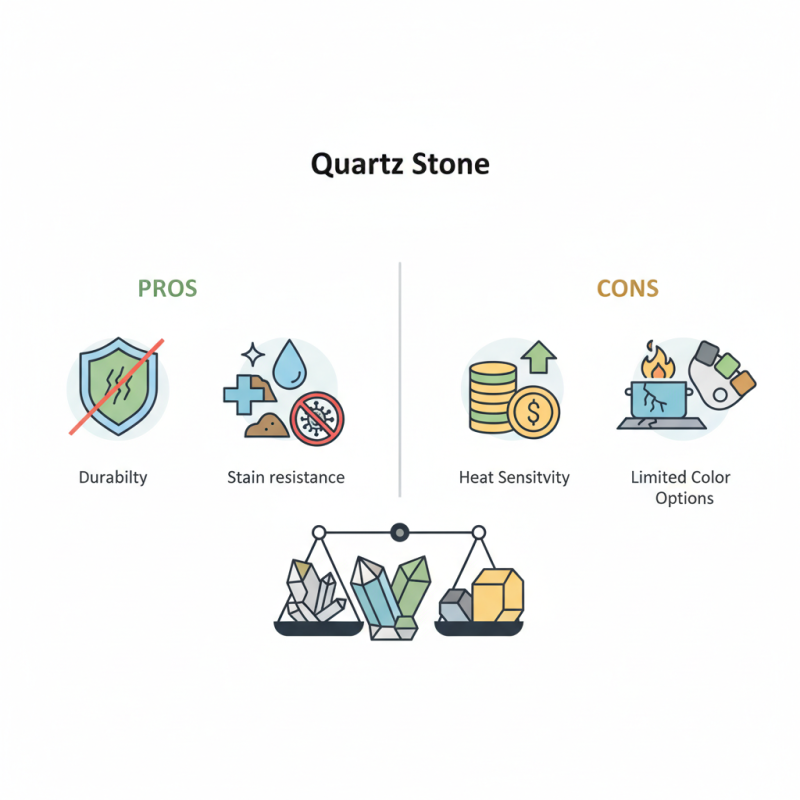
Quartz stone is engineered, combining natural quartz with resins. This creates a range of colors and patterns. Its non-porous nature make it resistant to stains. However, some homeowners might find it less heat-resistant than natural stones. Many reviews are mixed, pointing to a need for careful consideration.

While quartz can bring elegance, its pricing may deter budget-conscious buyers. Additionally, durability comes at a cost; it can scratch under heavy use. Understanding the intricacies of quartz stone can help avoid regrets down the line. Thus, weighing the pros and cons is crucial before making a decision.

Top 10 Pros and Cons of Quartz Stone for Buyers?

Understanding Quartz Stone: An Overview for Buyers

Quartz stone is increasingly popular among buyers due to its unique features. It is a man-made material, primarily composed of natural quartz crystals. This blend gives it a durable structure and consistent appearance. Unlike natural stone, quartz offers more uniform colors and patterns, making it attractive for various designs.

Durability is a major advantage. Quartz is scratch and stain-resistant, ideal for kitchen countertops. However, it can be sensitive to heat. High temperatures may damage the resin used in its composition. This is a crucial point for buyers to consider, especially if they often use hot cookware.

In terms of maintenance, quartz requires minimal upkeep. A simple wipe with soapy water usually suffices. Some users find it less appealing because it lacks the unique texture of natural stones. Each slab of natural stone has its own story and character, which quartz cannot replicate. Buyers should reflect on their preferences and needs before making a choice.

Advantages of Quartz Stone: Durability and Low Maintenance

Quartz stone has gained popularity for its durability and low maintenance. This engineered material combines natural quartz crystals with resins, creating a strong surface. It stands resistant to scratches, stains, and heat, making it an ideal choice for kitchens and bathrooms. Homeowners appreciate how it maintains its beauty without heavy upkeep.

Cleaning quartz is straightforward. A gentle soap and water solution is often enough. For tougher stains, a non-abrasive cleaner will do the trick. Avoid harsh chemicals, as they may damage the resin. Ensuring your quartz surface is well-maintained will prolong its life. Regularly check for any signs of wear, as even durable surfaces require occasional care.

When selecting quartz, consider your lifestyle. Families with young children or pets may benefit from its resilience. However, it's essential to reflect on how often you'll clean and care for your surfaces. Unexpected spills can happen, so being proactive about maintenance can save you from more extensive issues later. Remember, even the toughest materials require attention to keep them looking their best.

Drawbacks of Quartz Stone: Cost and Environmental Concerns

Quartz stone has gained popularity in homes for its durability and aesthetic appeal. However, it comes with specific drawbacks that prospective buyers must consider. One major concern is cost. According to a 2021 industry report, quartz countertops can range from $50 to $150 per square foot, making them a high-end option compared to natural stones. This significant investment could pose a challenge for budget-conscious homeowners.

Environmental concerns are another critical issue. Unlike natural stones, quartz is engineered using resins and polymers, which can emit volatile organic compounds (VOCs). A study published by the Environmental Protection Agency indicates that prolonged exposure to high VOC levels can negatively affect indoor air quality. Additionally, the energy-intensive manufacturing process for quartz requires considerable resources, raising sustainability questions in today’s eco-conscious market.

Choosing quartz stone means weighing these factors carefully. While its beauty and resistance to scratches are appealing, the hidden costs and environmental impacts cannot be ignored. Understanding these issues allows buyers to make informed decisions that align with both their aesthetics and values.

Comparing Quartz Stone to Other Countertop Materials

When comparing quartz stone to other countertop materials, several factors play a pivotal role. Quartz, composed of 90-95% natural quartz crystals, offers durability and resistance to scratches. According to a report by the National Kitchen and Bath Association, 87% of homeowners prefer quartz over granite due to its non-porous nature. This characteristic makes it less prone to staining. Also, it does not require sealing, unlike granite or marble, which adds to its long-term appeal.

However, quartz stone has its downsides. It can be more expensive than traditional materials like laminate. Industry surveys indicate that quartz slabs can range from $50 to $120 per square foot, depending on the design. Some buyers also find that quartz may lack the unique patterns of natural stones. This can lead to a perception of uniformity, which not everyone appreciates. Additionally, while quartz is heat-resistant, extreme temperatures can still cause damage.

In contrast, granite offers unique patterns but requires regular maintenance and sealing. Furthermore, some homeowners appreciate the authenticity of natural stones. This leads to questions about the best choice for individual preferences. While quartz boasts superior reliability, its cost and aesthetic may not fit every buyer's needs.

Top 10 Pros and Cons of Quartz Stone for Buyers

Making an Informed Decision: Key Considerations for Buyers

When considering quartz stone, buyers should weigh both its benefits and drawbacks. Quartz is known for its durability and aesthetic appeal. It comes in various colors and patterns, making it versatile in many settings. Additionally, it is non-porous, which means it resists stains and bacteria. This quality makes it suitable for kitchen and bathroom use. However, its hardness can lead to chipping around edges if not handled carefully. It’s important to understand how you plan to use the surface.

Cost is another crucial factor. Quartz stone can be more expensive than other materials, depending on design and quality. Installation requires professional skills, which adds to the overall expense. Some buyers reflect on the long-term investment. While quartz can increase property value, it's essential to align your budget with your renovation goals. The abundance of options available can also be overwhelming. Each choice carries different implications for maintenance and resale. Take time to research and evaluate what features are most important to you before making a decision.

FAQS

: What is quartz stone made of?

: Quartz stone is primarily composed of natural quartz crystals, blended with resin.

Why is quartz stone popular among buyers?

Its durability, consistent appearance, and minimal upkeep appeal to many buyers.

How do you maintain quartz countertops?

A simple wipe with soapy water usually suffices for maintenance.

Are there any downsides to quartz stone?

Yes, it can be more expensive than some materials and lacks unique natural patterns.

Is quartz stone heat-resistant?

While quartz is heat-resistant, high temperatures can damage the resin.

How does quartz compare to granite?

Quartz is non-porous and does not require sealing, but granite offers unique patterns.

What should buyers consider before choosing quartz?

Buyers should reflect on preferences for texture and the importance of natural stone aesthetics.

Can quartz be scratched or stained?

Quartz is scratch and stain-resistant, making it ideal for kitchen use.

Why might some users prefer natural stones?

Natural stones carry unique textures and stories that quartz cannot replicate.

What is the price range for quartz slabs?

Quartz slabs can range from $50 to $120 per square foot, depending on design.

Conclusion

In the exploration of what are the pros and cons of quartz stone for buyers, it is essential to understand its unique characteristics. Quartz stone is celebrated for its durability and low maintenance requirements, making it an attractive option for countertops in kitchens and bathrooms. These advantages position it as a strong competitor among countertop materials, appealing to those seeking practicality in their home design.

However, potential buyers should also consider the drawbacks, including its higher cost compared to other materials and environmental concerns related to production. By comparing quartz stone to alternatives like granite or laminate, buyers can weigh these factors carefully. Ultimately, making an informed decision involves considering both the advantages and disadvantages, alongside personal preferences and budget constraints.

Mason

Mason

Mason is a seasoned marketing professional with a deep expertise in the company's offerings and a passion for driving brand awareness. With a strong background in digital marketing strategies, he has an innate ability to connect with diverse audiences and effectively communicate product benefits.......