Natural stone is a timeless choice for home design. Its beauty and durability make it popular. However, many homeowners wonder, "does natural stone need sealing?" The answer is essential for maintaining its appearance.
Natural stone can be porous. It absorbs spills, dirt, and oil. Without sealing, stains can set in and damage the surface. A good sealant protects against these issues. It keeps the stone looking new for years. Yet, this maintenance can be overlooked. Some may think occasional cleaning is enough, but that is not always the case.
The frequency of sealing varies. It is influenced by the stone type and use. High-traffic areas may need sealing more often. Meanwhile, less-used spaces could go longer. Understanding these factors helps make informed decisions. Sealing requires attention but offers a long-lasting beauty that makes it worthwhile.
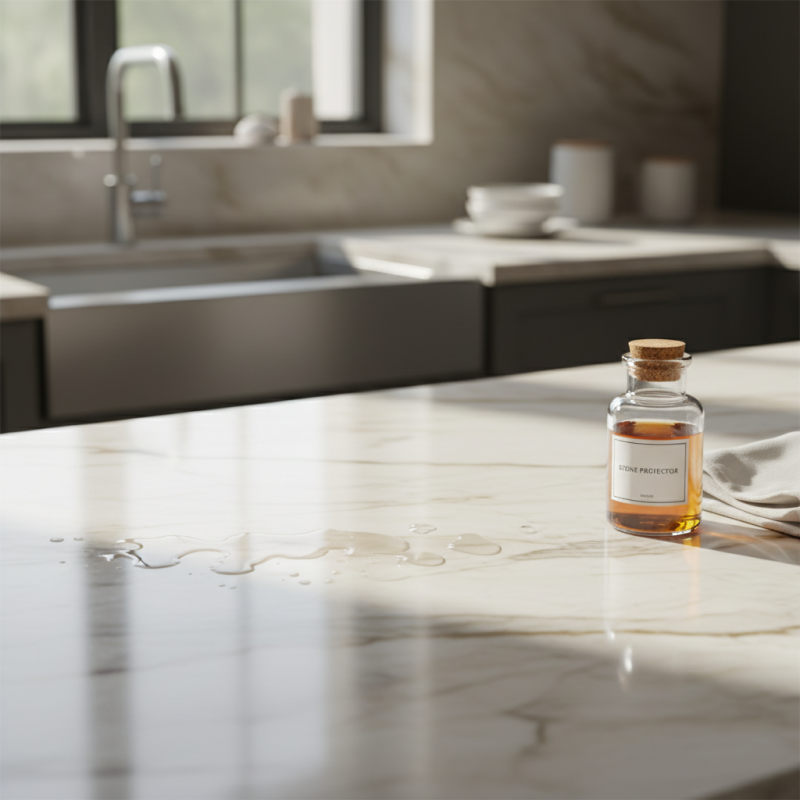
Natural stone, admired for its unique beauty, has intrinsic properties that can affect its longevity. Composed of minerals, each type of stone boasts different characteristics. For instance, granite is known for its durability, while marble is prized for its elegance but is more susceptible to scratching. A study by the Natural Stone Institute indicates that maintenance practices, such as sealing, play a significant role in preserving stone's aesthetic appeal and lifespan.
Sealing can introduce a protective layer, enhancing the stone's resistance to staining and moisture penetration. Without proper sealing, natural stone can absorb spills, leading to discoloration. Many experts recommend sealing porous stones like limestone or travertine every one to three years. However, not all stones require the same treatment. Some stones, like granite, may need less frequent sealing, depending on their density.
Despite these recommendations, many homeowners overlook sealing, hoping to maintain the stone's natural appearance. Unfortunately, this choice can lead to costly repairs down the line. In fact, a report from the Marble Institute states that neglecting maintenance can reduce a stone's lifespan dramatically. Understanding the specific properties of your natural stone is crucial in making informed decisions regarding its care and long-lasting beauty.
Sealing natural stone surfaces is crucial for maintaining their beauty over time. Natural stones, like granite or marble, are porous. This means they can absorb liquids and stains easily. According to a study by the Tile Council of North America, untreated stone surfaces can absorb up to 15% of their weight in liquid. This statistic underscores the need for proper sealing.
When stone surfaces are sealed, their lifespan increases dramatically. A report from the Natural Stone Institute indicates that properly sealed stones can last decades longer than unsealed ones. Sealing protects stones from spills, stains, and damage caused by weather elements. However, not all sealants are the same. Some may not provide adequate protection against the elements.
Homeowners often overlook this aspect. Many assume that natural stone is inherently durable. While stone is strong, it still requires care. A common mistake is thinking that sealing is a one-time process. Regular maintenance and reapplication are necessary. A study by the National Association of Realtors found that homes with well-maintained stone surfaces can command higher market prices. This fact highlights the financial benefits of sealing your natural stone.
Natural stone has a timeless appeal and can enhance any space. However, many homeowners wonder about the necessity of sealing. Common sealants include penetrating sealers, topical sealers, and enhancing sealers. Each type serves a unique purpose in protecting your stone.
Penetrating sealers are ideal for porous stones. They penetrate deep, providing protection against stains. This is vital for kitchen countertops or dining areas. Topical sealers, on the other hand, sit on the stone’s surface. They provide a shiny finish but can wear off over time. Enhancing sealers enrich the stone color and add depth. Choosing the right sealant is crucial.
Tips: Always test a small area before applying any sealant. Sometimes, the wrong choice can dull the stone’s natural beauty. Regular maintenance and reapplication can prolong the life of your sealant. Make sure to keep the stone clean and dry between treatments. Each type of sealant requires a different reapplication schedule. Ignoring these details can lead to unpleasant surprises.
| Sealant Type | Description | Recommended Frequency of Application | Best for |
|---|---|---|---|
| Penetrating Sealant | Absorbs into the stone to repel water and oils. | Every 1-3 years | Granite, Marble |
| Topical Sealant | Forms a protective layer on the surface. | Every 6-12 months | Slate, Travertine |
| Enhancing Sealant | Boosts color and enhances natural patterns. | Every 1-2 years | All natural stones |
| Water-Based Sealant | Low VOC and environmentally friendly option. | Every 1-2 years | Marble, Limestone |
| Solvent-Based Sealant | Provides a strong barrier against stains. | Every 2-5 years | Granite, Quartzite |
Natural stone is a beautiful addition to any home, but maintaining its allure requires effort. Sealing natural stone is one of the best practices for preserving its beauty. A proper sealant protects against stains and moisture, ensuring your stone remains vibrant over time. It’s essential to use a suitable sealer specific to the type of stone you have, as different stones have varying porosities. Regular resealing, typically every year or every other year, helps maintain the protective barrier.
Cleaning is another key aspect of stone maintenance. Use a gentle pH-balanced cleaner for everyday cleaning. Avoid acidic or harsh chemicals, as they can damage the stone. After cleaning, always dry the surface to prevent water spots. Even with the best care, some stones may still show signs of wear, and that's okay. Assessing the surface regularly can help you decide when to reseal or clean more intensively. Over time, you may notice areas that need more attention. Embracing this upkeep process is vital for long-lasting beauty.
Natural stone surfaces, while stunning, can lose their luster over time without proper care. Recognizing when your natural stone needs resealing is essential for maintaining its beauty. Indicators include a dull appearance, water absorption, or staining. If water droplets are quickly absorbed, your stone may be due for a seal. A study by the Natural Stone Institute indicates that proper sealing can extend the life of stone surfaces by up to 30%.
To prevent damage and maintain aesthetics, consider these tips. Clean spills immediately to avoid stains. Regularly check for changes in texture or color. If your stone feels rough or looks uneven, it might need resealing. Additionally, a simple water test can help. Place a few drops of water on the surface. If it absorbs within 10 minutes, it’s time to reseal.
Maintaining your natural stone is not always straightforward. Many homeowners overlook these signs until irreversible damage occurs. Stay attentive to the condition of your stone surfaces. By recognizing these indicators early, you can ensure lasting beauty for your investment.
: Sealing prevents liquids and stains from penetrating stone, prolonging its lifespan and maintaining its appearance.
Resealing is typically recommended every year or every other year to ensure proper protection.
Use a gentle, pH-balanced cleaner. Avoid acidic or harsh chemicals to prevent damage.
Look for dullness, water absorption, or staining as indicators that resealing is needed.
Yes, but ensure you choose the right type of sealer for your stone. Incorrect sealing can cause issues.
Ignoring resealing may lead to irreversible damage, reducing the beauty and value of your stone surfaces.
No, different sealants provide varying levels of protection. Choose one suited for your specific stone type.
Conduct a water test by placing water drops on the surface. Quick absorption indicates a need for resealing.
It can be challenging. Regular attention is required to prevent wear and maintain beauty over time.
Not entirely. Some wear might occur despite best efforts, but recognizing and addressing it can help maintain stone quality.
When considering whether "does natural stone need sealing," it's essential to understand the properties of natural stone. While these surfaces are admired for their beauty and durability, they are also porous and can absorb liquids, leading to stains and damage over time. Sealing natural stone surfaces not only enhances their appearance but also provides a protective barrier against moisture and contaminants.
There are various types of sealants available for natural stone, each serving a specific purpose. To ensure longevity, it’s crucial to follow best practices for sealing and maintenance, such as applying sealants correctly and regularly checking for signs that the stone needs resealing. Indicators like dulling surfaces or increased stain susceptibility can signal that it's time to update the seal. By understanding these aspects, homeowners can keep their natural stone looking beautiful for years to come.

Zenlith Stone