Is Artificial Stone Cheaper Than Natural Stone for Buyers?

Time:2026-05-19 Author:Henry
0%

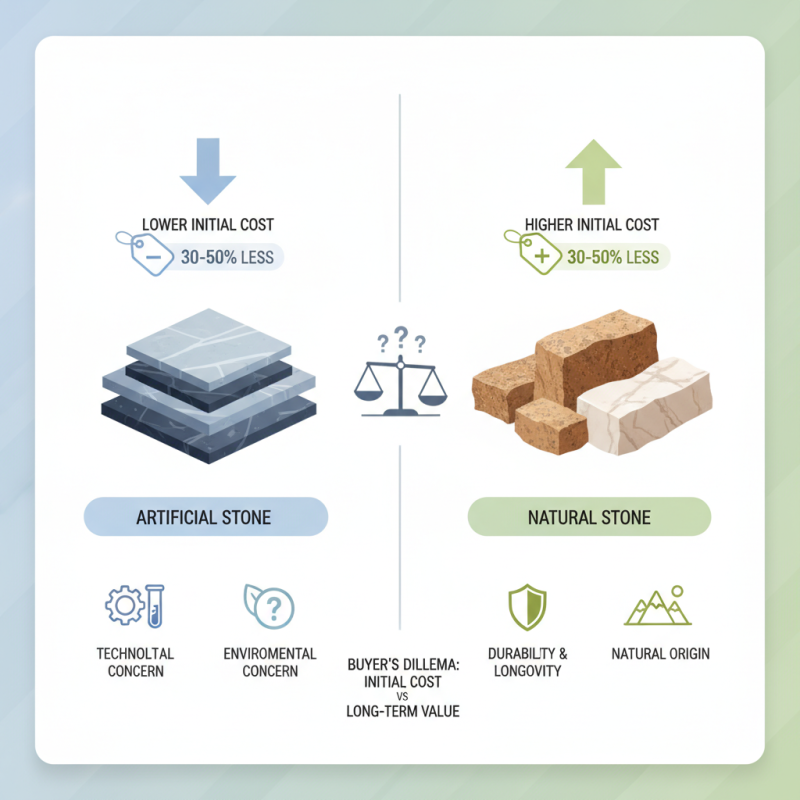
When considering renovations or construction, one pertinent question arises: is artificial stone cheaper than natural stone? This inquiry has sparked much debate among industry experts. A recent report from the National Stone Association reveals that artificial stone can be 30-50% less expensive than its natural counterpart, depending on the type and application.

Dr. Emily Carter, a leading material scientist, emphasizes that while cost is a significant factor, the long-term performance should also be analyzed. She states, "Buyers must consider durability alongside initial expenses when evaluating artificial and natural stones." This perspective highlights the complexity of the decision-making process.

Moreover, the market for synthetic materials continues to grow. Innovations in technology have improved the aesthetics and functionality of artificial stones. However, some argue that the environmental impact of producing synthetic stones needs more scrutiny. As buyers weigh their options, they face a crucial question: is artificial stone cheaper than natural stone, or is there a hidden cost in choosing convenience over quality?
Is Artificial Stone Cheaper Than Natural Stone for Buyers?

Factors Influencing the Cost of Artificial vs. Natural Stone

When considering costs, several factors influence whether artificial stone is cheaper than natural stone. The production of artificial stone is often less expensive. This material can be manufactured in bulk, lowering overall costs. However, the initial price may vary based on design and finish.

Natural stone, on the other hand, requires quarrying and transportation, adding to its expense. The rarity of some natural stones can drive prices even higher. There are benefits, too. Natural stones like granite and marble offer unique beauty and durability which many buyers value. Their long-term appearance tends to be appealing for high-end projects.

It’s important to evaluate installation costs as well. Some artificial stones may require specialized techniques. This can negate any savings on the material itself. Choosing between the two often requires weighing aesthetic desires against budget constraints. Buyers may find that the cheapest option doesn’t always meet their needs or expectations.

Comparative Analysis of Pricing Structures for Artificial and Natural Stones

The pricing structures for artificial and natural stones present a distinct contrast. According to recent market analysis, the average cost of natural stone ranges from $50 to $200 per square foot, depending on the type and finish. In comparison, artificial stone typically costs between $30 to $100 per square foot, making it a more budget-friendly option for buyers. This price difference is significant for both contractors and individual consumers.

A report by the Stone Industry Association noted that nearly 60% of buyers consider price as a primary factor when choosing between these materials. However, the initial cost doesn’t always tell the complete story. While artificial stone may seem cheaper upfront, factors like durability and maintenance can add to long-term expenses. Natural stone often requires less maintenance, which can offset its higher price over time.

It’s essential to weigh these aspects carefully. Buyers may face trade-offs between cost and performance. For instance, some artificial stones can produce a convincing look but may not hold up as well in harsh climates. Professionals emphasize the importance of understanding the total cost of ownership for both materials, which isn’t always straightforward.

Durability and Maintenance Costs: Artificial vs. Natural Stone

When considering durability, artificial stone offers certain advantages over natural stone. While natural stone can be prone to cracking and requires careful installation, artificial stone is often more flexible and resistant to damage. This resilience can reduce the need for frequent repairs.

Maintenance costs are another critical aspect. Natural stone typically requires regular sealing to prevent stains and moisture absorption. This can add up over time. In contrast, artificial stone is often designed to be low-maintenance. Many options are easy to clean, needing only soap and water.

However, not all artificial stones perform equally. Some might not have the same aesthetic appeal as their natural counterparts. Buyers may grapple with the decision between the beauty of natural stone and the practicality of artificial options. The ideal choice depends on your specific needs, budget, and personal preferences. Balancing these factors can lead to a more informed decision in the long run.

Cost Comparison of Artificial Stone vs. Natural Stone

The chart above illustrates the average cost per square foot of artificial stone compared to natural stone. Artificial stone is generally more affordable, making it a popular choice for buyers considering budget-friendly options.

Aesthetic Value and Long-term Investment Considerations

When considering the aesthetic value of artificial stone versus natural stone, several factors come into play. Artificial stone can mimic the appearance of natural stone very closely. It is often available in a variety of colors and patterns. This flexibility allows homeowners to match their preferences and design themes easily. However, some argue that natural stone provides an unmatched authenticity. The unique textures and colors in natural stone pieces tell stories of their origins.

Long-term investment is another critical factor. Natural stone typically increases in value over time. Its durability and timeless appeal often make it a wise choice for property owners. In contrast, artificial stone may not hold the same resale value. It can also show signs of wear and tear more readily. Buyers might find themselves reconsidering their choices as technology evolves. Artificial stone products may require replacements or repairs sooner than expected.

Ultimately, the decision hinges on personal priorities. Some may prioritize immediate aesthetics and lower costs. Others may weigh the investment in natural stone heavier. Reflecting on these aspects can guide buyers toward a choice that aligns with their goals and values.

Market Trends: Buyer Preferences for Artificial and Natural Stone

The preference for artificial and natural stone varies among buyers, reflecting changing market trends. Recent data from the Global Stone Industry Report indicates that approximately 65% of homeowners consider artificial stone due to its affordability and versatility. The average cost of artificial stone is about 30% lower than that of natural stone. Additionally, artificial stone offers numerous design options, appealing to a broader range of aesthetics.

However, some buyers remain cautious. A survey from the Stone Industry Council revealed that 45% of consumers prefer natural stone for its authenticity and durability. Many believe that natural stone has a unique charm that artificial alternatives can't replicate. As a result, the loyalty to natural stone endures, even with rising prices and limited availability.

This dichotomy highlights the need for consumers to weigh their preferences. Buyers may seek practicality while acknowledging the long-term value of natural stone. In regions where natural stone resources are limited, the demand for artificial stone may surge even more. Understanding these nuances can guide potential buyers in making informed decisions based on budget and personal taste.

FAQS

: What factors determine the cost of artificial and natural stone?

: Production costs, design, and finishing influence overall pricing. Bulk production lowers artificial stone costs.

Why can natural stone be more expensive?

Quarrying and transporting natural stone increase its expense. Rare stones drive prices higher as well.

How do maintenance costs differ between artificial and natural stone?

Natural stone often requires sealing to prevent damage. Artificial stone is typically low-maintenance and easy to clean.

Which type of stone is more durable?

Artificial stone is generally more resistant to damage. Natural stone can crack and may need careful handling.

What do consumers prefer, artificial or natural stone?

About 65% of homeowners prefer artificial stone for its affordability. However, 45% stick to natural stone for its authenticity.

Can artificial stone match the aesthetics of natural stone?

Some artificial stones may lack the same beauty. Buyers often struggle to balance practicality and aesthetic appeal.

Are there installation cost differences between the two types?

Installation techniques vary. Some artificial stones might require specialized installations, complicating cost savings.

How important is unique charm in the stone selection?

Many buyers value the unique charm of natural stone. This preference can sway decisions despite rising costs.

Is design variety a key factor in choosing stone?

Artificial stone offers more design options. This versatility attracts a broader range of consumers looking for variety.

How can buyers make informed decisions?

Evaluating personal tastes alongside budget constraints is essential. Long-term value of natural stone may be worth considering.

Conclusion

The article "Is Artificial Stone Cheaper Than Natural Stone for Buyers?" explores various factors that influence the pricing of artificial and natural stones. It begins by examining the cost structures associated with both types, highlighting that while artificial stones may initially seem cheaper, factors such as quality, production processes, and market demand significantly affect overall pricing.

Additionally, the article analyzes durability and maintenance costs, indicating that natural stones often require more care, which can add to long-term expenses. Aesthetic value also plays a crucial role, as buyers weigh the immediate appeal of artificial stone against the timeless elegance of natural stone. Lastly, market trends reveal evolving buyer preferences, shedding light on the growing acceptance of artificial stones in various applications. Ultimately, the inquiry into whether "is artificial stone cheaper than natural stone" is nuanced, with several factors influencing each buyer's decision.

Henry

Henry

Henry is a dedicated marketing professional with a profound expertise in the company's offerings. With years of experience in the industry, he possesses an impressive understanding of the market dynamics and consumer behaviors that drive success. Henry is committed to sharing his insights through......