When considering materials for your projects, understanding how durable is artificial marble is crucial. This synthetic stone offers an appealing aesthetic, resembling natural marble at a fraction of the cost. Many projects feature artificial marble due to its versatility and stylish finish. However, opinions vary on its long-term durability.
The durability of artificial marble often depends on the quality of the material used. Lower-quality variants may chip or fade with time. In contrast, higher-grade options can withstand daily wear and tear much better. Users frequently report mixed experiences; some find it highly resilient, while others have faced unexpected issues.
Additionally, maintenance plays a significant role. Excessive heat or harsh cleaning products may deteriorate the surface over time. Understanding these factors can provide a clearer picture of how durable is artificial marble. It is important to weigh the pros and cons carefully to make an informed decision.
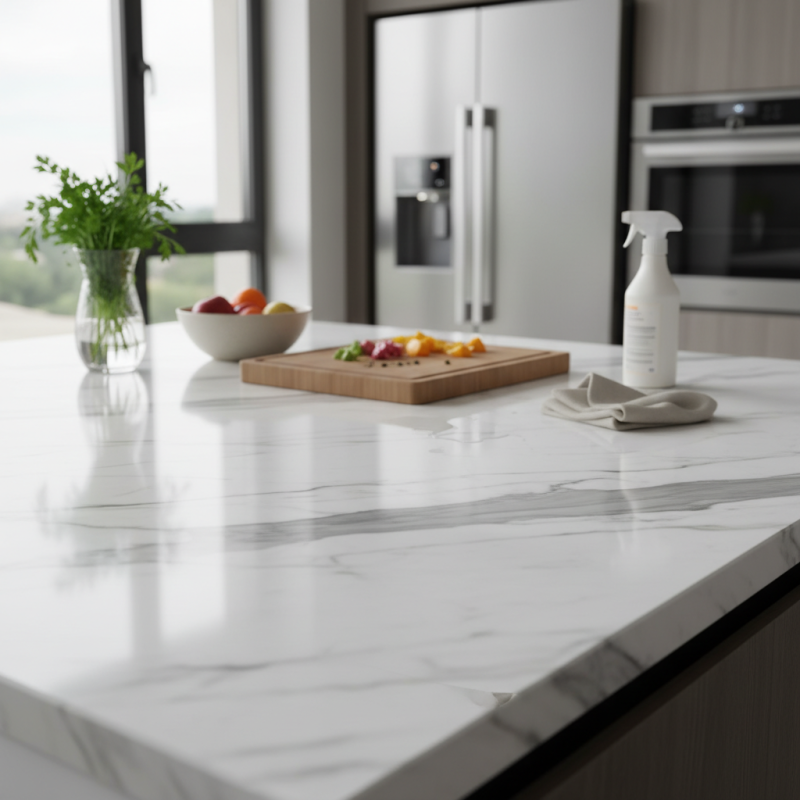
Artificial marble is a popular choice for various projects. Its composition typically includes resins, pigments, and crushed stone. These materials give artificial marble a range of colors and patterns. Its versatility makes it suitable for countertops, floors, and decorative elements. Understanding its properties helps in making informed decisions for projects.
One notable advantage of artificial marble is its durability. It is resistant to scratches, stains, and heat. However, it is essential to maintain it properly. Regular cleaning with mild detergents can help preserve its finish. Avoid harsh chemicals that might damage the surface.
**Tip:** When selecting artificial marble, consider the thickness. Thicker slabs usually offer more strength. Before installation, assess the intended use to ensure it meets your project needs. Balancing durability with aesthetic preferences will lead to satisfying results.
When considering artificial marble for your projects, durability is a key factor. Various studies indicate that artificial marble's strength can be comparable to natural stone, yet it is less resistant to heat and heavy impacts. According to a report from the International Marble Institute, artificial marble can withstand compression loads of up to 5,000 psi while natural marble typically ranges between 8,000 to 15,000 psi.
In addition, the water absorption rate for artificial marble is often higher than that of natural stone. This can lead to staining and weakening over time. A user survey conducted by the Surface Material Association revealed that 40% of consumers encountered issues with color fading after prolonged exposure to sunlight. It's essential to weigh these factors against your project's specific requirements. Longevity often hinges on proper care and environmental conditions.
Maintenance practices play a considerable role in preserving artificial marble's appearance. Regular cleaning with pH-neutral products can help maintain the surface. However, many users report difficulties in finding effective cleaning solutions. This highlights the need for a better understanding of product care, which can significantly influence the material's lifespan.
When comparing artificial marble to natural stone, durability is a key factor that cannot be overlooked. Artificial marble offers various benefits, yet it comes with some limitations. A study by the International Journal of Architectural Heritage indicated that artificial marble has a compressive strength of around 60 MPa. In comparison, natural stone often exceeds 100 MPa. This discrepancy suggests that artificial marble might not withstand heavy loads as well as high-grade natural stone.
Moreover, artificial marble is prone to scratching and chipping. Reports from material manufacturers highlight that it can be sensitive to sharp objects and heavy impacts. This aspect could be a critical disadvantage for high-traffic areas. Conversely, natural stone has a well-earned reputation for its long-lasting endurance. Its natural formation process allows greater resistance to wear over time. People renovating kitchens or bathrooms might consider where durability is most needed.
The aesthetic appeal of artificial marble is undeniable, yet durability issues require careful consideration. Homeowners and designers should weigh the pros and cons, especially in areas exposed to high usage. While artificial marble may seem tempting due to its lower cost, potential long-term repairs may offset those savings. Understanding these differences is vital for making informed choices in project planning.
Artificial marble is a popular choice for various projects due to its aesthetic appeal and versatility. However, its longevity greatly depends on suitable maintenance practices. According to industry research, maintaining artificial marble can extend its life by up to 15 years. Simple care steps can make a significant difference.
One essential tip is regular cleaning. Use a mild soap and water solution. Avoid harsh chemicals that could damage the surface. Instead of scrubbing tough stains, gently dab them with a soft cloth. This method preserves the sheen and prevents wear. Industry experts note that routine cleaning can also help reduce the accumulation of grime, which may lead to discoloration over time.
Another important aspect involves temperature control. Artificial marble can bear heat, but extreme temperatures can cause damage. When placing hot pots or pans, always use trivets. This advice is backed by material safety studies recommending such preventive measures. While artificial marble is resilient, it isn't infallible. Regularly inspecting for scratches and chips helps address problems early. Making small repairs can prevent more extensive damage later. Engaging in these practices not only enhances the material’s life but also maintains its beauty.
Artificial marble is widely used in various applications, from countertops to flooring. Its aesthetic appeal makes it a popular choice in homes and commercial spaces. However, durability is a significant concern. Many users report scratches and dents over time. These issues can detract from its beautiful appearance and raise questions about its longevity.
In high-traffic areas, artificial marble can face considerable wear and tear. For instance, kitchens and bathrooms often see heavy usage. Water exposure and heat can affect its structural integrity. While it resists some stains, not all substances are harmless. Some chemicals can lead to discoloration or damage. Users must consider these factors when choosing artificial marble for specific projects.
Choosing the right finish can improve durability. A polished surface may be prone to scratches, while a matte finish can hide imperfections better. However, maintenance is still essential. Regular cleaning with appropriate products helps preserve its appearance. Ultimately, understanding these challenges is crucial for successful use in projects.
: Artificial marble has a compressive strength of around 60 MPa, while natural stone often exceeds 100 MPa.
No, artificial marble is prone to scratching and chipping, making it less suitable for high-traffic locations.
Water exposure can damage the structural integrity of artificial marble, particularly in kitchens and bathrooms.
Yes, some chemicals can lead to discoloration or damage, affecting the overall appearance of artificial marble.
Regular cleaning with appropriate products is essential to maintain artificial marble's appearance and overall durability.
Absolutely. Weighing durability against aesthetics is vital for long-term satisfaction with the material choice.
A polished surface may scratch easily, while a matte finish can better conceal imperfections but may require regular upkeep.
While it may be cheaper upfront, potential long-term repairs could negate those initial savings.
Consider the specific location's usage and potential wear factors to ensure the best outcome with artificial marble.
Artificial marble has gained popularity due to its aesthetic appeal and versatility in various projects. Understanding its composition and properties is essential to address the question of how durable is artificial marble. The durability of this material is influenced by several factors, including the quality of its components and the conditions it faces in its applications.
When compared to natural stone, artificial marble may exhibit different durability levels, highlighting the importance of selecting the right type for specific needs. Maintenance plays a crucial role in prolonging its lifespan, with proper care significantly enhancing its longevity. Despite some challenges in certain applications, artificial marble remains a favored choice for both residential and commercial designs, offering a balance of beauty and functionality.
Zenlith Stone