When considering countertops or surfaces, understanding "what is the difference between quartz and marble" is crucial for buyers. Expert stone fabricator John Smith notes, “Choosing the right material often depends on lifestyle and maintenance preferences.” This statement captures the essence of the decision-making process.
Quartz and marble each possess unique features. Marble, a natural stone, offers timeless beauty with its elegant veining. However, its porous nature can lead to staining. In contrast, quartz is engineered from crushed stone and resins, providing a non-porous surface that resists stains and scratches. This makes quartz a practical choice for busy kitchens.
Both materials come with their pros and cons. Marble’s stunning aesthetics are often favored for luxury spaces, yet its upkeep can be daunting. Conversely, while quartz may lack the same luxury appeal, its resilience can better reflect a modern lifestyle. Buyers must weigh these factors carefully, as the wrong choice could result in dissatisfaction. Understanding "what is the difference between quartz and marble" is essential for making an informed decision.
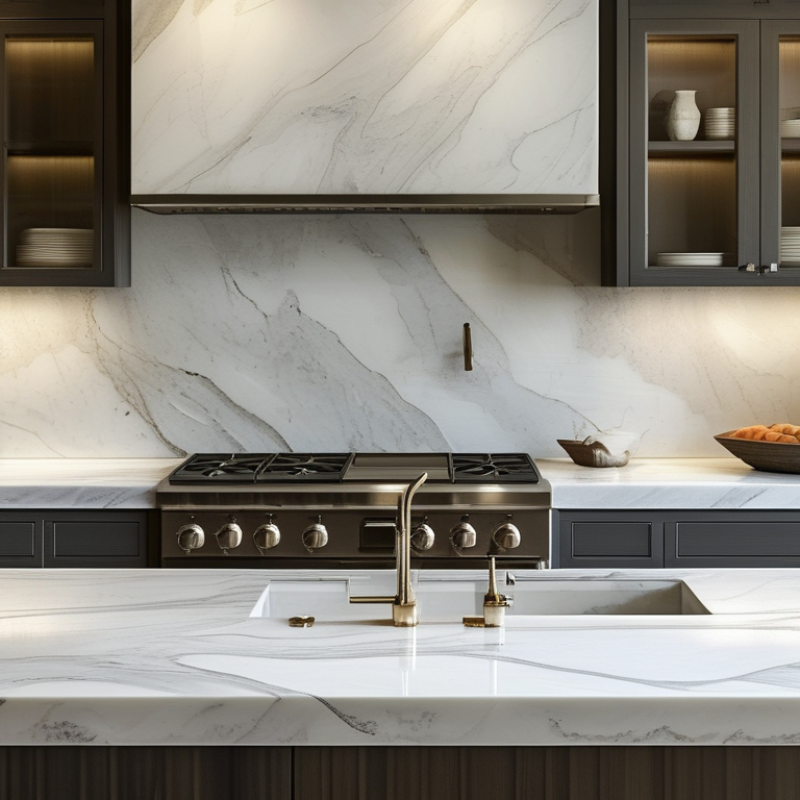
Understanding Quartz: Composition and Characteristics
Quartz is a popular choice for countertops and other surfaces. This man-made material is composed of about 90% crushed quartz crystals. The remaining 10% consists of resins and pigments that bind the crystals. As a result, quartz offers consistency in patterns and colors. According to the Marble Institute of America, quartz surfaces are non-porous, which helps prevent bacterial growth.
In terms of durability, quartz is highly resistant to scratches and stains. This makes it a practical choice for busy kitchens. It can withstand heat to some degree but should avoid extreme temperatures. A report by the National Association of Home Builders indicates that homeowners often prefer quartz for its low maintenance and high aesthetic appeal.
Tips: Choose lighter colors if you wish to make your space appear larger. Understand that while quartz is durable, it can still chip under heavy, blunt force. Regular cleaning with mild soap and water suffices for maintenance. Remember, not all quartz is created equal; some may have varying levels of quality in resin and processing.
Exploring Marble: Unique Features and Origin
Marble is a natural stone known for its unique beauty and elegance. It forms from limestone under heat and pressure over millions of years. This metamorphic process leads to the distinct veining and color patterns that make each piece of marble unique. Homeowners often choose marble for kitchens and bathrooms due to its luxurious appearance.
Marble’s composition gives it a less uniform look compared to synthetic alternatives. However, this authenticity can be a double-edged sword. While it enhances aesthetics, it can lead to unpredictable maintenance needs. Marble can be porous and may stain without proper sealing. Buyers should be mindful of the care involved in maintaining its pristine look.
The origins of marble can influence its appeal. Each quarry produces variations known to professionals. Italian marble is often seen as the gold standard, but regional varieties can be equally attractive. Exploring these differences allows buyers to appreciate the nuances in color, texture, and durability. Buying marble is not only about appearance; it’s a choice filled with history and character.
Key Differences Between Quartz and Marble in Appearance
When considering quartz and marble, the visual differences are striking. Quartz is engineered and offers a consistent, uniform appearance. It comes in a variety of colors and patterns, allowing for seamless designs. Homeowners often appreciate its modern, sleek aesthetic. The patterns can be bold or subtle, reflecting personal style. In contrast, marble presents a natural beauty. Each slab is unique, showcasing veining and color variations. This brings a timeless elegance to any space, yet it also introduces unpredictability in appearance.
The texture also differs significantly. Quartz has a smooth, non-porous surface that is resilient and easy to maintain. It resists stains and requires minimal upkeep. Marble, however, feels cool and luxurious under touch. Its porous nature, while beautiful, can absorb liquids and stains if not properly sealed. This aspect requires ongoing care.
Buyers need to weigh these factors carefully. Choosing quartz can mean opting for durability. Choosing marble often means embracing a one-of-a-kind character, though it may come with maintenance challenges. Both materials enhance space but do so in distinct ways, inviting thoughtful consideration of personal preferences and lifestyle needs.
Durability and Maintenance: Quartz vs. Marble Comparison
When choosing between quartz and marble, durability and maintenance are key factors.
Quartz is engineered from natural stone and resins, making it highly durable. It resists scratches, stains, and heat better than marble, which means less worry about everyday wear and tear, perfect for busy kitchens.
Marble, while timeless and elegant, requires more care. It is softer and can be easily scratched. Acidic substances, like lemon juice, can etch the surface. Regular sealing is necessary to maintain its beauty. Homeowners must be diligent in cleaning and maintenance, which can be labor-intensive.
Both materials have unique aesthetics. Quartz offers a wide range of colors and patterns, appealing to modern tastes. Marble, in contrast, provides natural veining and a classic look. Yet, potential buyers should reflect on their lifestyle.
If low maintenance is a priority, quartz is the better choice. For those who appreciate the character of marble, be prepared for extra upkeep.
Cost Considerations: Budgeting for Quartz or Marble Choices
When considering quartz or marble, cost plays a significant role. Quartz typically ranges from $50 to $100 per square foot, while marble can cost $60 to $150 or more. The initial expense is just one aspect of budgeting. Installation costs can also vary greatly. Quartz often requires less maintenance, which might save money over time.
Buyers should reflect on long-term value. Marble is elegant but can be more susceptible to scratches and stains. This might lead to higher repair costs. Quartz, being engineered, is more resilient. However, its synthetic nature may not appeal to some. It's essential to weigh the aesthetic desires against practical needs.
Before making a choice, consider the use of the surface. Will it be in a high-traffic area? Understanding your lifestyle is crucial. Accidental spills happen. If you prioritize ease of maintenance, quartz may be more suitable. Marble offers beauty, but think about the upkeep. It's a decision that extends beyond the initial price tag.
Cost Comparison Between Quartz and Marble
This chart illustrates the average cost per square foot of quartz versus marble. As shown, quartz is generally less expensive at approximately $70 per square foot, while marble averages around $90 per square foot. Understanding these cost differences is crucial for buyers when making flooring or countertop material choices.
FAQS
: Quartz is composed of about 90% crushed quartz crystals. The rest is made up of resins and pigments.
It offers consistency in patterns and colors. It is also durable and resistant to scratches and stains.
Regular cleaning with mild soap and water is sufficient. Avoid harsh chemicals and extreme temperatures.
Light colors can make your space look larger. Dark colors may show dust and scratches more easily.
No, marble can be porous and prone to staining. Proper sealing and care are essential for its upkeep.
Marble has distinct veining and color patterns due to its natural formation. Each piece is truly one-of-a-kind.
It's not ideal for busy kitchens. Its susceptibility to staining and unpredictable maintenance needs can be challenging.
The quarry origin affects its color, texture, and durability. Regional varieties can be equally beautiful as Italian marble.
Quartz offers lower maintenance and greater durability. It's a practical choice for those with busy lifestyles.
No, quality can vary based on resin and processing methods. Some cheaper options may not perform as well.
Conclusion
This article provides a comprehensive overview for buyers looking to understand what is the difference between quartz and marble. It begins by detailing the composition and characteristics of quartz, highlighting its engineered nature and variety of styles. Conversely, the article explores the unique features and natural origins of marble, emphasizing its timeless beauty and individual patterns.
The article proceeds to compare the key differences in appearance between quartz and marble, addressing aspects such as color variations and texture. Additionally, it examines the durability and maintenance requirements of both materials, noting that quartz typically offers greater resilience against stains and scratches. Finally, cost considerations are discussed, guiding buyers on budgeting for either option based on their specific needs and preferences. This insightful approach helps prospective buyers make informed decisions when choosing between these two popular materials.

 Zenlith Stone
