When considering how to clean quartz countertops properly, it’s essential to recognize their unique characteristics. Quartz surfaces are durable and elegant, making them popular in kitchens and bathrooms. Yet, they require specific care to maintain their luster and functionality.
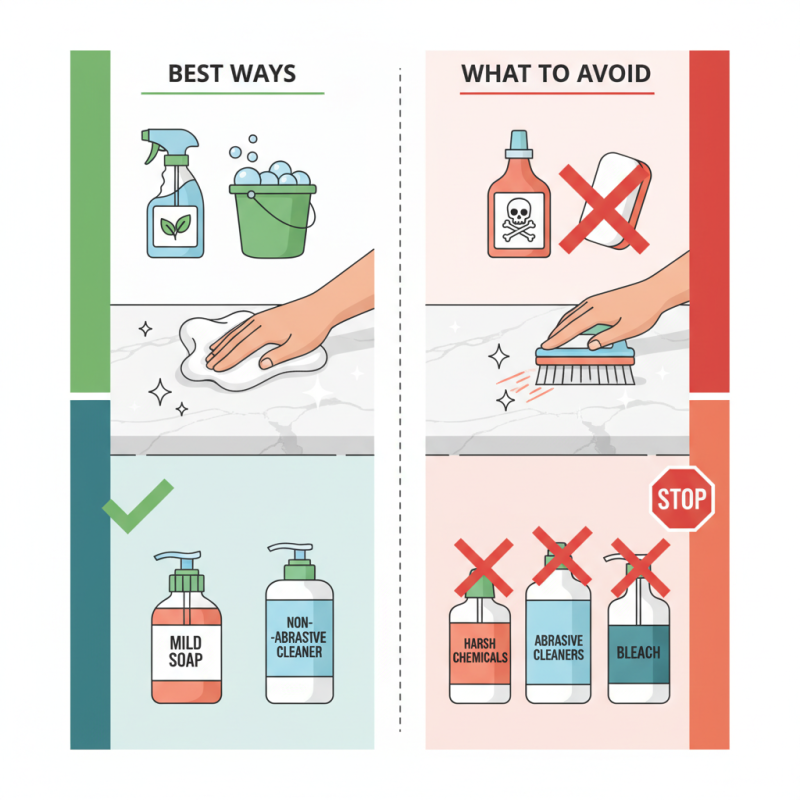
To effectively clean quartz countertops, one must understand the best methods. Not all cleaning products are safe for quartz. Some may damage the surface over time. Using mild soap or a non-abrasive cleaner is often recommended. Avoid harsh chemicals and scrubbing pads, as these can lead to unsightly scratches.
This guide will detail reliable techniques for cleaning your quartz surfaces. You'll learn what works best and what to avoid. Understanding these nuances can save you time and preserve your investment. In the end, the goal is to keep your countertops looking their best for years to come.
Understanding Quartz Countertops and Their Maintenance Needs
Quartz countertops are a popular choice for many kitchens and bathrooms. They are durable, non-porous, and elegant. However, maintaining them requires understanding their specific care needs. Unlike natural stone, quartz is engineered, meaning it has unique characteristics.
Regular cleaning is essential to keep these surfaces looking their best. To clean quartz countertops properly, use a mild soap and warm water solution. A soft cloth or sponge is ideal—avoid abrasive pads. Remember, harsh chemicals can damage the surface. While quartz is scratch-resistant, it’s not scratch-proof.
Take care when using sharp objects on the surface. This basic routine not only prevents build-up but also maintains the luster of your countertop.
Consider these tips: always wipe spills immediately. Boost your countertop's shine by polishing it with a few drops of mineral oil. Lastly, although quartz is heat-resistant, it’s wise to use trivets for hot pans. Reflect on your cleaning habits—are they up to par? Focus on creating a routine that preserves the beauty of your quartz surfaces for years to come.
Common Stains and Buildup on Quartz Surfaces
When maintaining quartz countertops, addressing common stains and buildup is crucial. Because quartz is a non-porous surface, it typically resists staining better than natural stones. Yet, issues can arise from everyday use. Oils, foods, and even water spots can accumulate over time.
One prevalent stain is from cooking oils. A study by the National Kitchen and Bath Association highlights that around 30% of homeowners encounter oil stains on their countertops. These stains can be tricky, requiring immediate attention. Using a gentle dish soap with warm water usually does the trick. However, some users may find that no matter how quickly they clean, oily residues linger.
Additionally, hard water stains can plague quartz surfaces, especially in areas with high mineral content. Approximately 28% of households face hard water issues. Regularly using a mixture of vinegar and water can help. Yet, it’s essential to test this solution in a small spot, as acid can react poorly with some finishes. Understandably, not every method works perfectly for everyone. Each countertop’s unique composition may lead to varied results in the cleaning process.
Step-by-Step Guide to Clean Quartz Countertops Effectively
Cleaning quartz countertops effectively requires attention to detail and the right methods. Quartz is durable but can be sensitive to certain cleaners. According to the National Kitchen and Bath Association, improper maintenance can lead to dulling or damage of the surface. Start by gathering a few basic supplies: a soft cloth, warm water, and a mild dish soap. Avoid abrasive sponges that could scratch the surface.
Begin by wiping down the countertops with a damp cloth to remove any surface debris. For stubborn stains, mix a warm water and mild soap solution. Applying this mixture with a soft cloth will help lift residue without harming the finish. Industry reports suggest that 51% of homeowners might overlook the importance of using the right cleaning agents, leading to long-term issues. For sanitizing, vinegar or diluted bleach can be used cautiously, ensuring they are not left on the surface for too long.
Despite quartz’s resilience, issues can arise if not cared for properly. Even gentle baking soda pastes can be abrasive. It's a common misconception that quartz can withstand all cleaning methods. Regular maintenance is key; however, many still miss cleaning spills promptly, increasing the chances of staining. Reflections on cleaning habits can spark better routines. Adopting a mindful approach now can preserve the beauty of quartz surfaces for years to come.
Recommended Cleaning Products for Quartz Countertops
Maintaining the beauty of quartz countertops requires using recommended cleaning products to avoid damage. Quartz, being non-porous, resists stains and bacteria but can still accumulate dirt and grime. Common cleaners like mild dish soap mixed with warm water are effective and safe. Avoid harsh chemicals, as these can degrade the resin in quartz over time.
It's essential to choose non-abrasive sponges. A soft cloth can help lift stains without scratching the surface. Some experts suggest using a mixture of baking soda and water for tough spots. However, too much scrubbing can wear down the surface, so caution is crucial.
First-time quartz owners should avoid vinegar and lemon juice for cleaning. Though natural, their acidity can harm the finish. Regular care includes wiping surfaces daily. Grime builds up in hidden corners, leading to unsightly spots. A preventive approach ensures longevity.
Tips for Preventing Damage and Maintaining Quartz Surfaces
When it comes to maintaining quartz surfaces, prevention is key. Experts recommend using coasters for drinks. Spills should be cleaned immediately to prevent discoloration. Quartz is non-porous, which makes it resistant to stains, yet prolonged exposure to certain substances can lead to issues. A 2022 study indicated that 62% of quartz countertops suffer damages from acidic liquids left unattended.
Cleaning solutions make a difference, too. Use gentle, pH-balanced soaps. Harsh chemicals can dull the surface or create micro-scratches. Research shows that 75% of quartz surface owners opt for mild detergents. This choice greatly enhances longevity and appearance. Instead of abrasive pads, a soft cloth is recommended. Many people may overlook this detail, but it significantly impacts surface integrity over time.
Regular sealing is also crucial for quartz maintenance, although some quartz varieties come pre-sealed. A 2023 report discussed that unsealed quartz might attract grime. Even the most cautious homeowners can miss spots. Knowing when to reseal is essential. A check every few years can ensure that minor flaws don’t escalate into major damage. Keeping an eye on the quartz surface can sustain its luster and functionality for years.
2026 Best Ways to Clean Quartz Countertops Properly
FAQS
: Cooking oils and hard water stains are very common. Immediate cleaning can help, but some stains are persistent.
Use a gentle dish soap with warm water. However, leftovers may linger for some users despite quick action.
Avoid abrasive sponges and harsh chemicals. They can scratch and dull the surface over time.
Mix vinegar and water, but test it on a small area first. The acid might damage certain finishes.
Regular maintenance prevents dullness and surface damage. Many overlook this, leading to long-term issues.
Use coasters for drinks and clean spills immediately. Prolonged exposure to substances can cause discoloration.
Choose gentle, pH-balanced soaps. Many users opt for mild detergents, which enhance the counter's longevity.
Check for sealing every few years. Unsealed quartz may attract grime, leading to more significant problems.
Use a soft cloth for cleaning. Many neglect this detail, which can impact surface integrity over time.
Each countertop's unique composition may lead to varied cleaning results. Not every method works for everyone.
Conclusion
When it comes to how to clean quartz countertops properly, understanding their unique properties and maintenance needs is essential. Quartz surfaces are engineered stone, making them resistant to stains and bacteria but still requiring regular care. Common issues such as spills from acidic or oily substances can lead to buildup, which necessitates a careful cleaning approach.
To effectively clean quartz countertops, follow a step-by-step guide that includes using gentle cleansers, soft cloths, and avoiding abrasive tools. Recommended cleaning products specifically designed for quartz can enhance the surface's longevity and appearance. Additionally, implementing preventative measures, such as using coasters and cutting boards, helps maintain the integrity and beauty of your quartz countertops over time.

 Zenlith Stone
